How Islamabad’s Seasons Affect Solar Panels: A Simple Story
Islamabad is known for its calm beauty, tree-lined streets, and distinct seasons that bring their own colors and moods. From the chilly fog of winter to the sunny calm of spring, the weather here is always changing.
And while most people welcome these shifts with sweaters in winter and cold drinks in summer, there’s something else that quietly adjusts to the rhythm of the seasons — solar panels.
As more homes and businesses in the capital embrace solar energy in Islamabad, one common question pops up:
“Why does my solar system perform differently in different months?”
Let’s take a simple look at how Islamabad’s seasons affect solar panels — and how Implecso can help you get the most out of your solar system all year round.
Summer (May–August): Sunshine Overload
Islamabad summers are long and bright, with the sun blazing across clear skies for most of the day. At first glance, this seems like perfect weather for solar power generation.
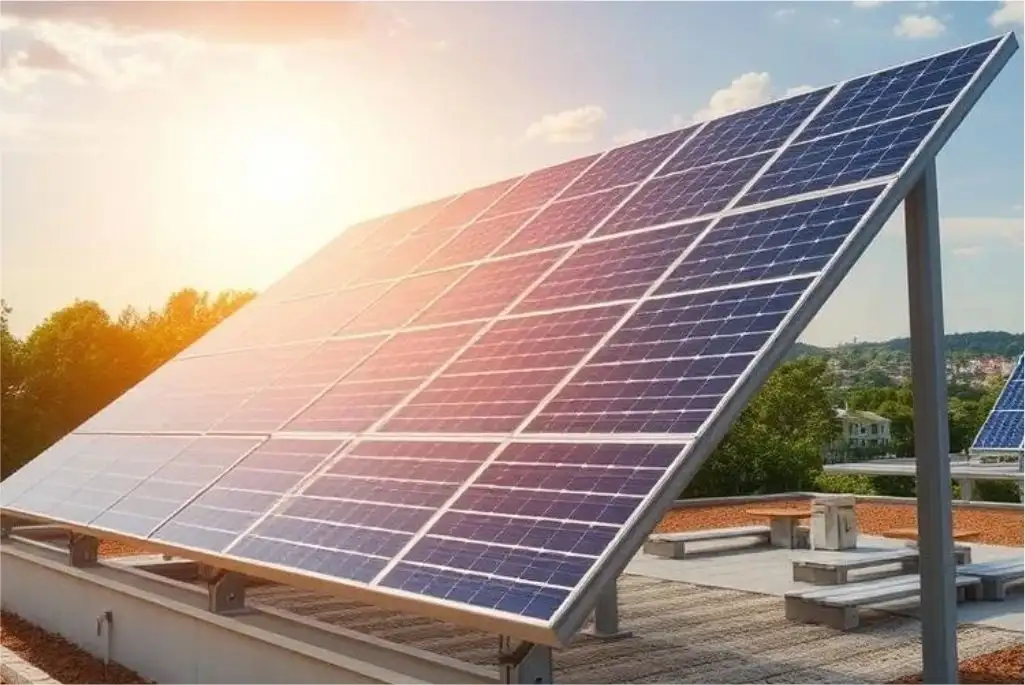
But there’s a twist: solar panels don’t love extreme heat. When temperatures rise above 35–40°C, as they often do in June and July, the efficiency of your solar panels slightly drops. They perform best around 25°C, so the scorching summer heat can actually reduce output.
Solar panel efficiency Islamabad tends to dip slightly in peak summer due to heat stress — but the long daylight hours still result in high total output overall.
Tip from Implecso: Our experts recommend keeping panels slightly elevated for air circulation, which helps regulate temperature and improve performance in Islamabad’s summer heat.
Monsoon (July–September): Rain, Clouds & Refresh
The monsoon season arrives with dramatic skies and much-needed rain. For your solar panels, this season is both a challenge and a gift.
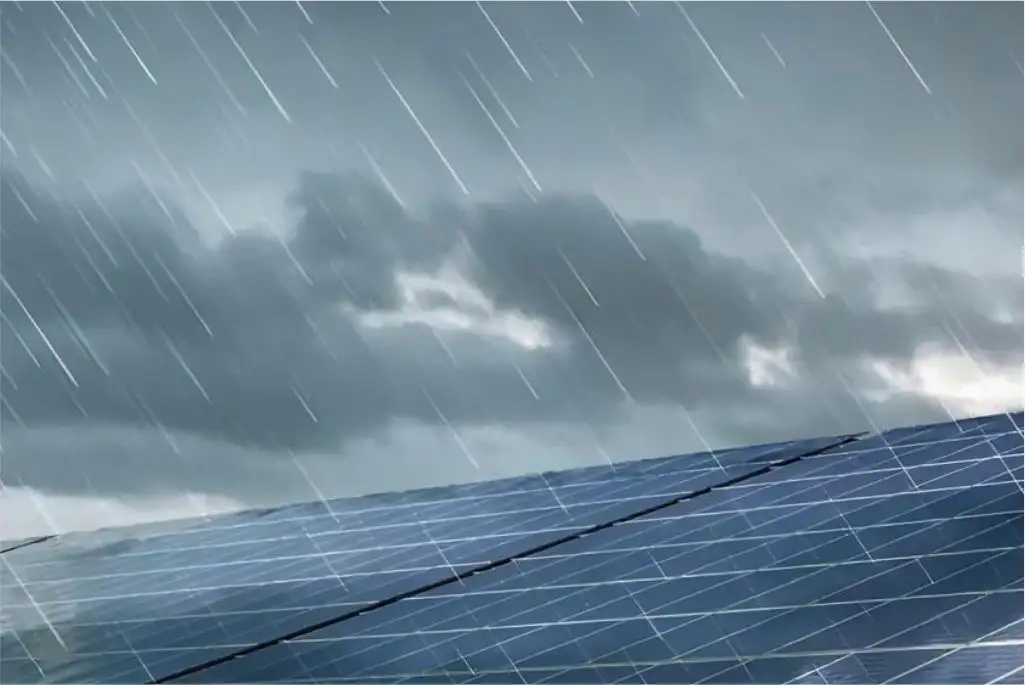
Cloud cover and rain naturally reduce sunlight exposure, so your energy production may dip temporarily. However, rain cleans off the dust and pollution that builds up during the dry months — giving your panels a fresh start.
Seasonal impact on solar panels Pakistan includes temporary drops during monsoon, but overall production remains steady.
Tip: A rain-cleaned panel is a more efficient one. Use this time as a natural maintenance cycle.
Autumn (September–October): Solar Sweet Spot
As the rains pass and the heat eases, autumn rolls into Islamabad with blue skies and cool air. This is arguably the best season for solar panels.
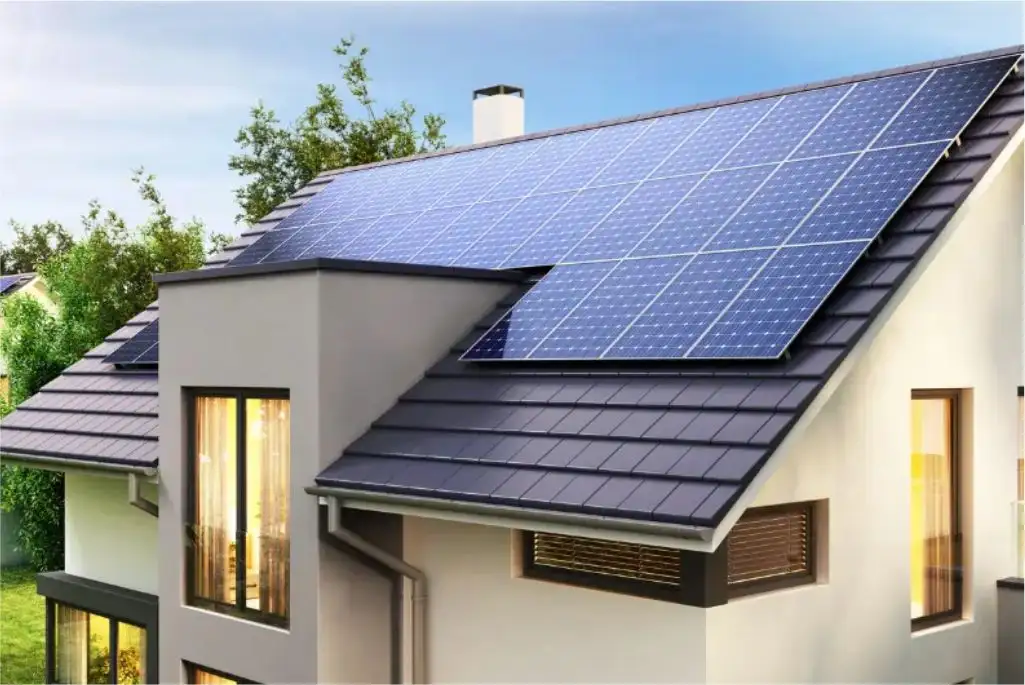
With comfortable temperatures and plenty of sunny days, solar panels operate near peak efficiency. It’s like your system is finally breathing easy — not too hot, not too cloudy.
Best time for solar energy Islamabad is usually in autumn, when weather conditions are ideal for panel performance.
Tip: Implecso customers often choose autumn to expand their systems or install battery backups. The weather is just right for installation work and testing.
Winter (November–February): Short Days, Long Shadows
Winter in Islamabad is known for its crisp mornings, chilly nights, and dense fog and smog, especially in December and January.
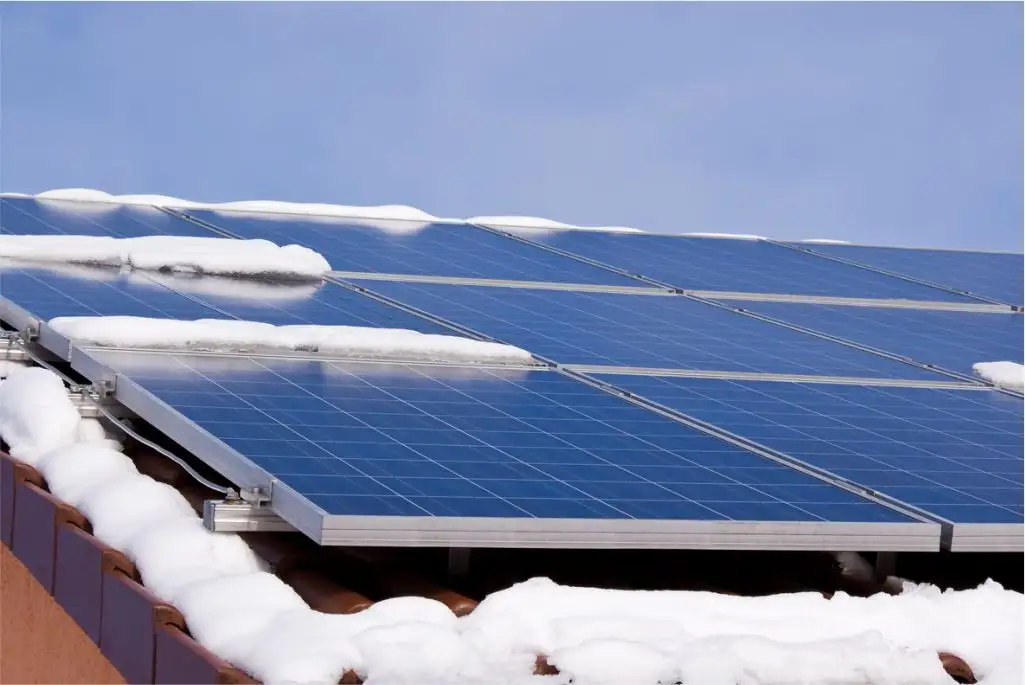
Shorter days mean fewer sunlight hours, and fog can block the sun altogether. As a result, your solar output will likely be at its lowest point of the year.
Winter solar panel performance Pakistan can drop by 30–50% depending on fog severity.
Tip: Keep your panels clean and consider low-light efficiency panels if you live in a particularly foggy area.
Spring (March–April): A Solar Reawakening
Spring brings longer days, bright skies, and the return of Islamabad’s famous bloom. For solar panels, it’s like waking up from a deep winter nap.
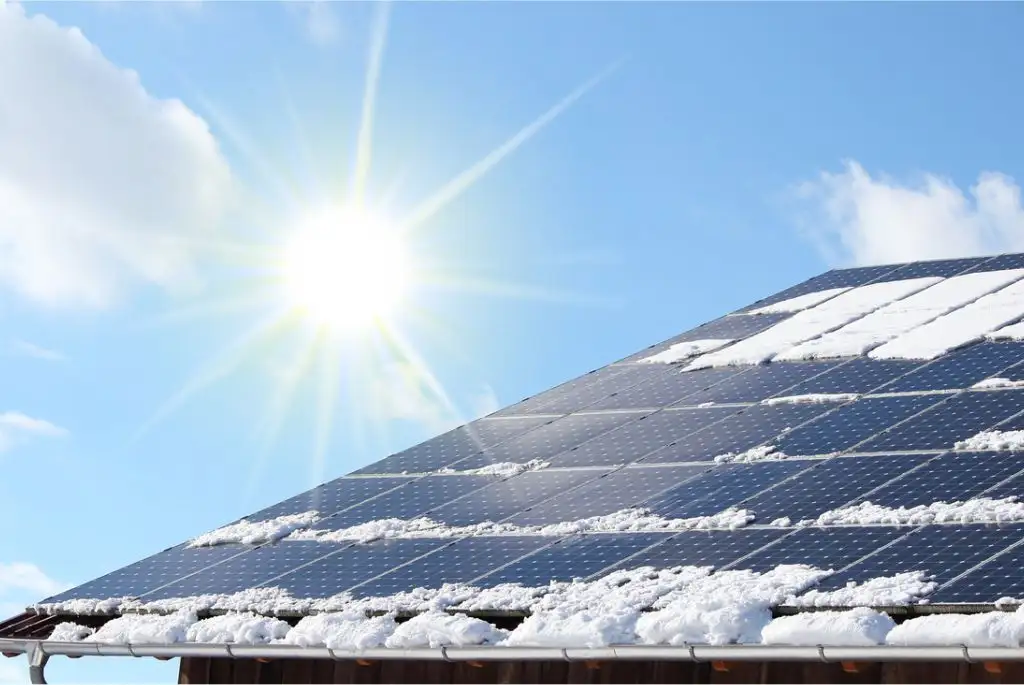
Mild temperatures combined with clear skies make this another high-performance season. Panels generate consistently good electricity, often matching or exceeding their autumn performance.
Solar panel output Islamabad spring often spikes as conditions become optimal again.
Tip: This is a great time for a system check-up. Make sure connections, tilt angles, and batteries (if you use them) are ready for the summer months ahead.
Tips to Maximize Your Solar System Year-Round
To keep your solar energy system running at its best across all seasons:
- Regular Cleaning – Islamabad’s dust and pollen can reduce efficiency by up to 20%.
- Smart Monitoring – Use apps or inverters with live tracking to measure performance.
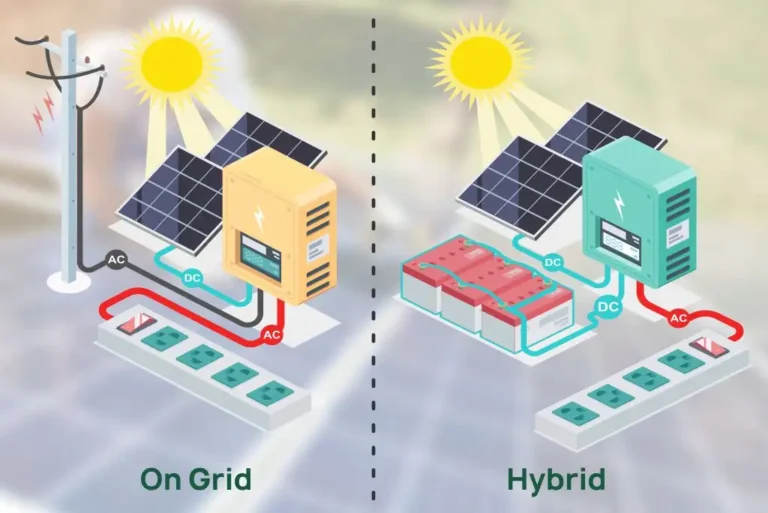
- Battery Backup (Optional) – Not essential anymore due to stable grid supply, but helpful for full independence.
- Correct Panel Tilt – Islamabad’s optimal fixed tilt is around 28–30 degrees. Adjust seasonally if possible for even better results.
Read our latest article, “How to Clean Solar Panels at Home,” to learn the best tips and methods for keeping your solar panels efficient and dust-free.
Final Thoughts: A Solar Journey Through the Seasons
Solar energy remains a smart, sustainable, and future-ready investment.
Understanding how each season — from foggy winters to sunlit springs — affects your solar system helps you plan better and get the most out of it. Whether you’re motivated by sustainability, self-reliance, or long-term savings, solar panels in Islamabad are ready to deliver — rain or shine.
Don’t forget these key takeaways:
- Summer gives long hours but needs cooling support.
- Monsoon cleans but clouds.
- Autumn is near-perfect for solar.
- Winter challenges with fog and short days.
- Spring is your system’s comeback season.