Why Solar Energy Is the Best Solution for Pakistan?
In a world rapidly transitioning toward sustainable living, solar energy in Pakistan is no longer just an alternative — it’s an essential path forward. With abundant sunlight, advancing technology, and increasing awareness, Pakistan has the tools it needs to reshape its energy future.
But what makes solar power not just viable but the best energy solution for the country? Let’s explore.

How is Solar Energy the Best Solution for Pakistan?
Pakistan has everything to make solar energy thrive: a favorable climate, local demand, and a growing energy-conscious population. Here are the key reasons why solar energy stands out.
Abundant Sunlight in Pakistan
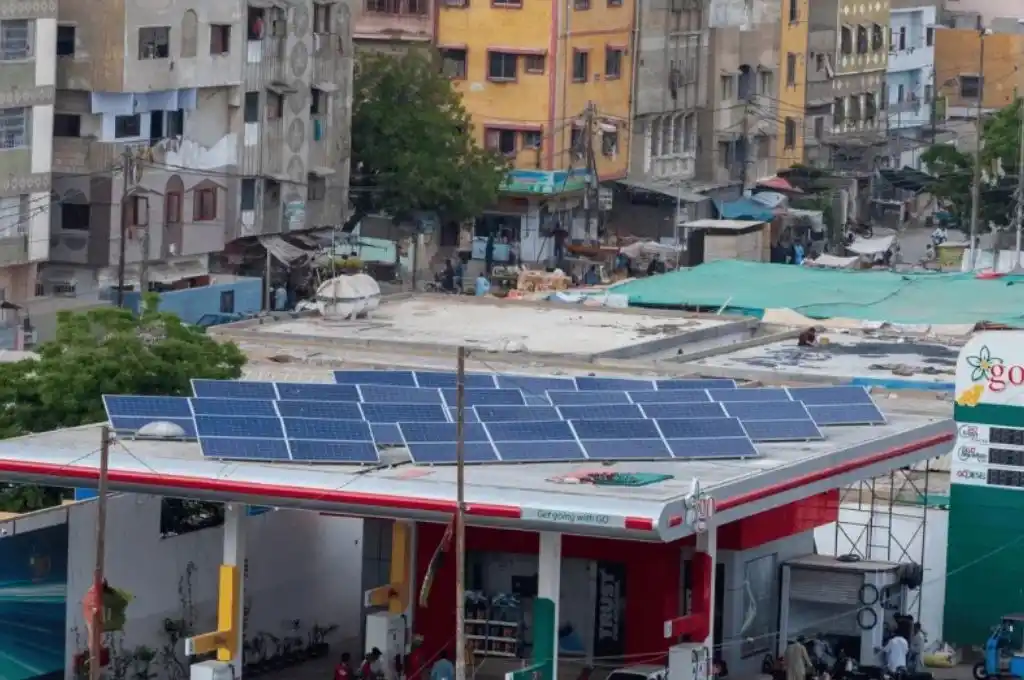
With over 300 sunny days a year, Pakistan ranks among the top countries ideal for solar power generation. This natural advantage allows solar panels to operate at high efficiency year-round — and most importantly, solar fuel (sunlight) is free and limitless.
Energy Independence Through Solar
By transitioning to renewable energy, Pakistan can reduce its dependence on imported fossil fuels such as gas and coal — which not only strain foreign reserves but also increase environmental degradation.
Solar systems empower individuals and businesses to produce electricity independently, which fosters energy security on both a national and community level.
Accessibility and Ease of Installation
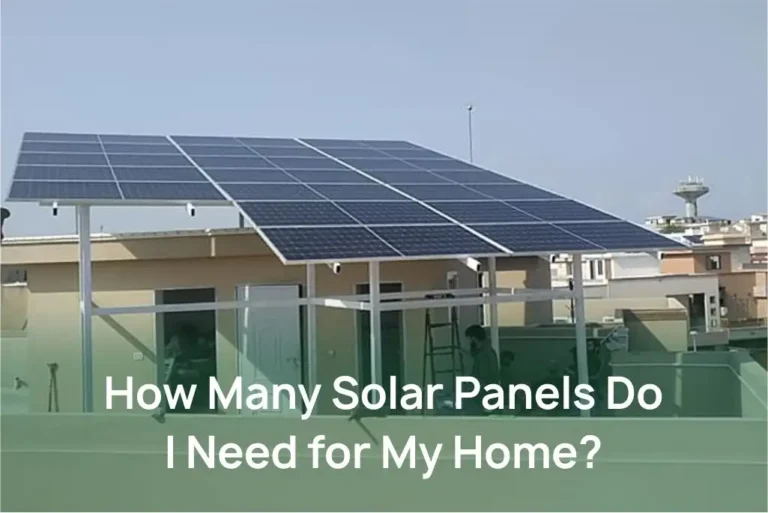
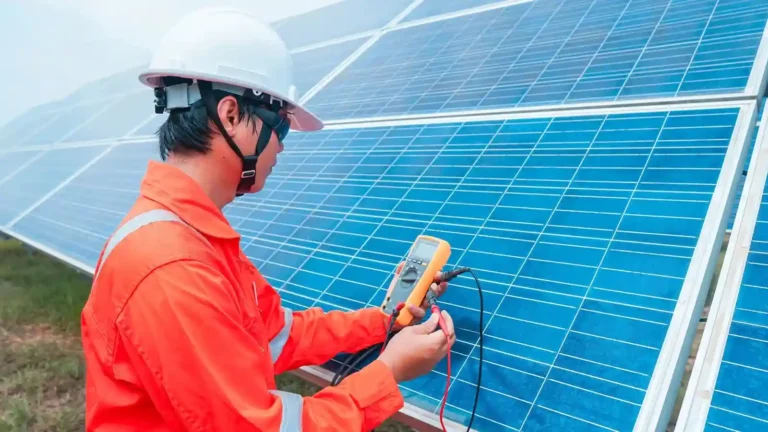
Not everyone can afford or manage a coal-based or hydroelectric plant, but anyone with a rooftop can become an electricity producer. Rooftop solar installations require minimal equipment and infrastructure, making them ideal for households, schools, and small businesses. For a step-by-step guide, see our article on How to install solar panel safely?
Reduced Reliance on Imported Components
Unlike fossil fuel-based systems that constantly require imported fuel, solar energy systems are self-sustaining. Once installed, panels require minimal imports — and with increased local manufacturing and supportive solar energy policies, the dependence on foreign components can be reduced even further.
Eco-Friendly Power Generation
Though Pakistan contributes relatively little to global emissions, it suffers disproportionately from climate change. Floods, heatwaves, and droughts are becoming more frequent.
Adopting clean energy solutions like solar helps Pakistan lower its carbon footprint while also preserving ecosystems and conserving water — since solar panels require no water to operate.
More Job Opportunities
One of the most underrated benefits of the solar energy industry in Pakistan is its potential for job creation. From solar panel installers to technicians and design engineers, the industry opens doors for the youth and professionals alike.
Busting Myths About Solar Energy
Many people hesitate to adopt solar because of persistent myths. Here are a few you can confidently ignore:
- “Solar panels don’t work in cloudy weather.”
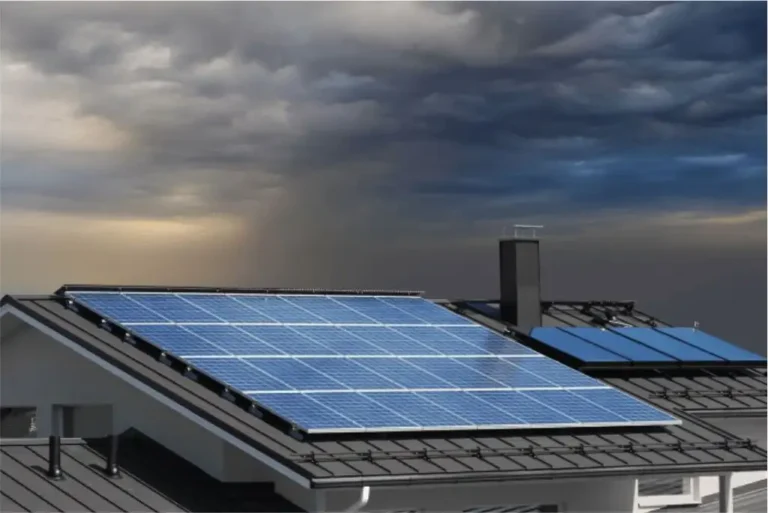
Not true — modern systems work even on overcast days. - “Solar energy requires daily maintenance.”
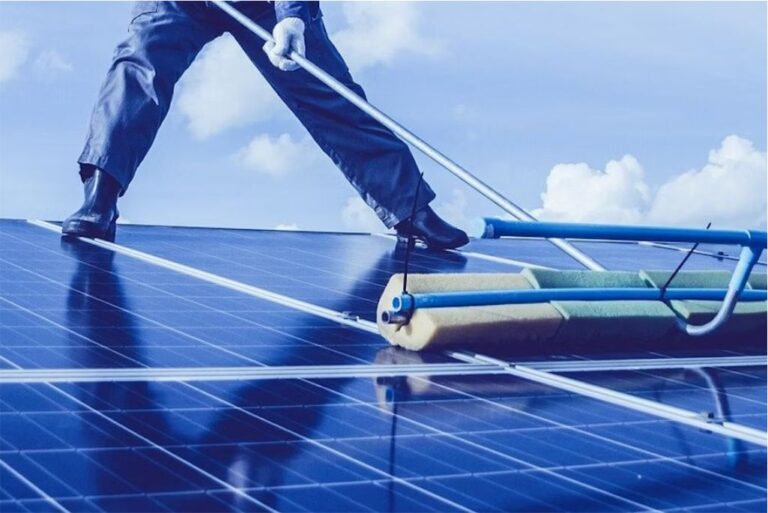
Maintenance is minimal and usually just involves occasional cleaning. - “Solar energy is too expensive.”
With declining costs and financing options, solar panels are affordable for most middle-income households.
Challenges in the Transition to Solar Energy
While the benefits are clear, some real challenges must be addressed:
Lack of Infrastructure and Skilled Labor
The grid needs upgrading to support large-scale solar energy integration, and more technicians need training to ensure quality installations. At Implecso, we focus on providing expert solar installation services across Pakistan to help bridge this gap efficiently.
Inconsistent Government Support
Policy shifts and regulatory delays slow progress. Long-term success depends on stable, investor-friendly regulations.
Technical Barriers
Panel placement, shading, and sunlight variability in different regions affect output. Public awareness campaigns are needed to guide users on choosing the right systems.
Political Instability
Frequent changes in leadership often disrupt long-term energy planning. Continuity is critical to growing the solar sector sustainably.
Case Study: Impact of Going Solar
A small textile factory in Faisalabad installed a 50kW solar system and reported the following:
- 80% reduction in electricity bills
- Zero downtime due to grid outages
- Return on investment in under 3 years
- Local hiring for system maintenance
Looking Ahead: The Future of Solar in Pakistan
- Next-gen solar panels with higher efficiency are becoming more accessible.
- Smart solar inverters now enable users to monitor performance in real time.
- Net metering policies are improving, allowing users to sell excess energy back to the grid.
Final Thoughts
The case for solar energy in Pakistan is clear: it’s practical, scalable, sustainable, and empowering. By switching to solar power, individuals and institutions can drive economic growth, reduce environmental damage, and help build a more resilient future for the nation.
It’s not just about saving electricity — it’s about transforming how we produce and consume energy in Pakistan.
Explore More on Solar Energy
Looking to deepen your understanding of solar solutions? Check out our related guides:
Which Solar Panel is Best in Pakistan? [2025 Guide]