Which Wire is Best for Solar Panels in Pakistan?
Choosing the right wire for your solar panel system is one of the most important — and often overlooked — aspects of building an efficient and safe solar setup in Pakistan. The wire not only connects the components of your system but also affects performance, durability, and overall safety.
In this guide, we’ll break down which wire is best for solar panels in Pakistan, explore different wire types, and give you clear, practical recommendations based on system type, usage, and location.
Why Wire Selection Matters in Solar Systems
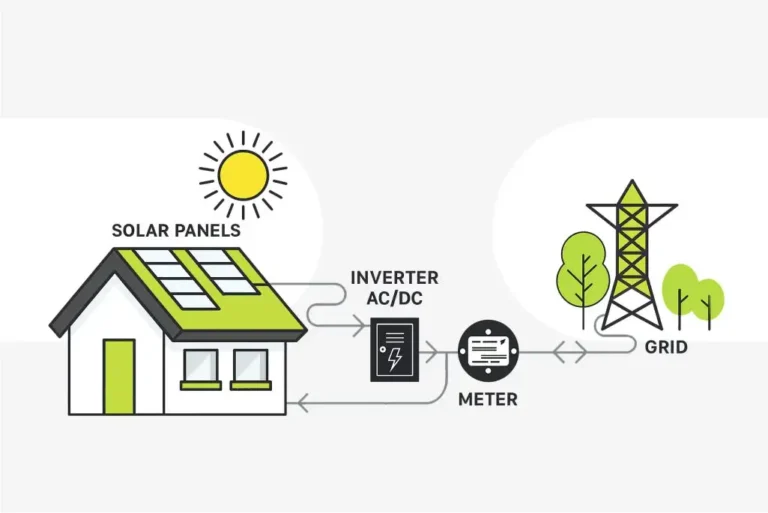
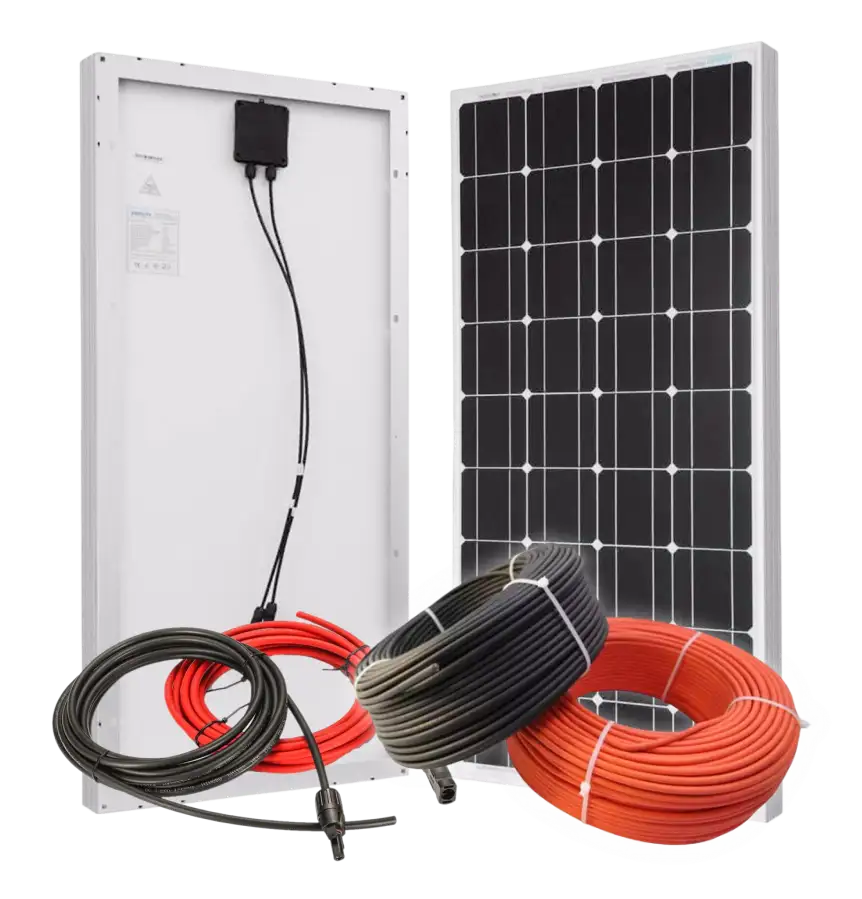
Your solar panel wire is like a highway for electricity — and just like you need the right size road for heavy traffic, you need the right wire gauge to safely and efficiently carry current from your solar panels to your inverter and batteries.
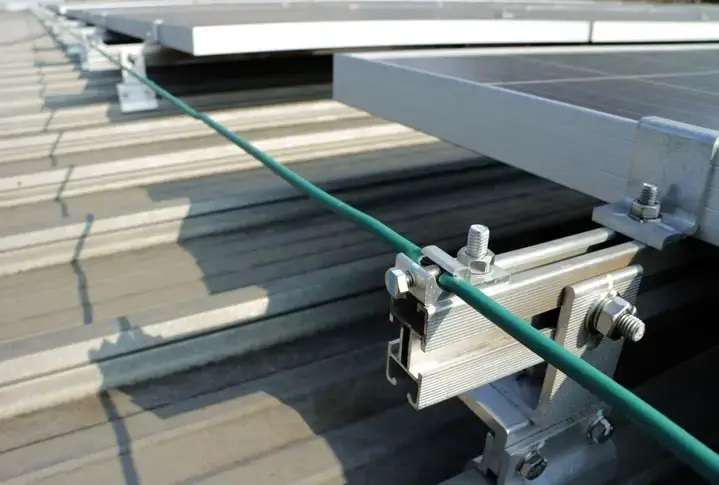
Using the wrong wire can lead to:
- Power loss
- System inefficiencies
- Overheating and safety hazards
This makes wire selection essential for any solar installation, whether it’s residential, commercial, or agricultural.
Key Factors to Consider When Choosing Solar Wires
1. Wire Gauge (Thickness)
The gauge of a wire refers to its thickness. In Pakistan, 10 AWG to 12 AWG wires are most commonly used for solar systems. A lower gauge (e.g., 10 AWG) can carry more current and is better for longer distances.
2. Current Carrying Capacity
Make sure the wire can handle the amperage of your solar array. For example, a 5kW solar system typically requires a 10 AWG wire for efficiency and safety.
3. Insulation and UV Resistance
Pakistan’s high temperatures and intense sun exposure mean your wires must be UV-resistant and weatherproof, especially for rooftop solar panels.
4. Voltage Drop and Wire Length
Longer wires lead to voltage drop, which reduces system efficiency. Always match wire gauge with the distance between your solar panels and inverter.
Tip: Use an online voltage drop calculator for accuracy.
5. Durability and Safety
Opt for wires with cross-linked polyethylene (XLPE) insulation and copper conductors, which are both durable and highly conductive.
Types of Solar Wires Used in Pakistan
| Wire Type | Use Case | Features | Recommended Gauge |
|---|---|---|---|
| PV Wire | Outdoor grid-tied systems | UV, heat, and weather resistant | 10-12 AWG |
| USE-2 Wire | Underground or off-grid | Moisture and abrasion resistant | 10 AWG |
| THHN Wire | Indoor conduit systems | Cost-effective, less weatherproof | 12 AWG |
Which Wire is Best for Your Solar Panel Setup?
➔ Rooftop Solar Panels (Home Use)
- Recommended Wire: PV Wire (10-12 AWG)
- Why: Built for outdoor exposure, ideal for rooftop setups.
➔ Ground-Mounted or Agricultural Systems
- Recommended Wire: USE-2 Wire (10 AWG)
- Why: Withstands soil, moisture, and underground environments.
➔ Hybrid Solar Systems (With Battery Backup)
- Recommended Wire: PV Wire for panel connections, THHN for indoor runs
- Why: Combines safety, durability, and cost-effectiveness
Common Mistakes to Avoid
- Choosing non-certified wires
- Underestimating voltage drop
- Ignoring weather conditions
- Using wrong gauge for system size
These mistakes can lead to inefficiency, system damage, or electrical hazards. When in doubt, consult a qualified technician.
Final Thoughts
The right solar panel wire ensures your system performs safely and efficiently for years. Whether you’re installing a rooftop array, a hybrid setup, or a ground-mount system in Islamabad, always choose wires that are:
- Appropriately gauged
- UV and weather-resistant
- Certified for solar use
Ready to Build a Reliable Solar System?
If you want expert advice on choosing the best wire for solar panels in Pakistan, or you’re unsure about gauge selection or wiring layout Contact Us for detailed guides, tools, and personalized support.
We’ve helped hundreds of homeowners, businesses, and farmers across Pakistan build solar systems that are safe, efficient, and built to last.
![Which Solar Panel is Best in Pakistan? [2025 Guide]](https://implecso.com/wp-content/uploads/2025/05/which-solar-panel-is-best-768x514.webp)